Six Weeks, Four Drivers and the Very British Chat About Petrol Money
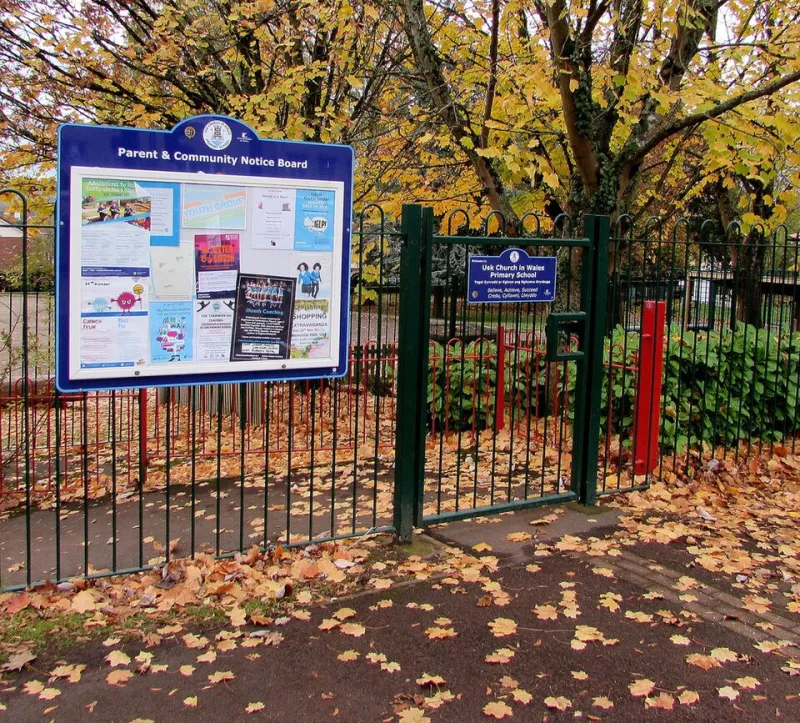
Photo: Jaggery , CC BY-SA 2.0, via Wikimedia Commons
On the first Monday of the school year, four of us stood at the top of the street with the same expression: mild panic disguised as small talk. We had one school, four cars, eight children between us and a shared belief that the morning dash might be slightly less grim if we stopped doing it alone. So we did what British parents do best. We made a polite arrangement and then spent six weeks pretending it was all fine.
As I write this in mid-November 2026, I can report that it was mostly fine. It was also more complicated than any of us expected — not because of the children, but because of the small, unspoken economics of the school gate.
The Monday morning handshake
Our arrangement was simple on paper. Four households, a rota that covered mornings and afternoons, and a WhatsApp group named with the kind of forced cheer that usually precedes admin. We agreed that nobody would be out of pocket. We did not agree what that meant.
That is the first lesson of any car pool: the practical plan is easy, the money bit is a minefield. No one wants to be the person who asks for petrol money. No one wants to be the person who never offers it either. And everyone is quietly convinced they are the one doing slightly more.
What six weeks actually looked like
Between four families we covered 96 school journeys in six weeks. My household did 27. Another did 31. One did 22. One did 16. Those numbers are not a complaint. They are just what happens when work shifts, sick days and a car that refuses to start get involved.
Petrol for the whole arrangement probably came to around £120 across the four cars. Our school is 2.4 miles away, so a return trip is just under five miles. On paper, that is not a lot. In reality, the cost is the 7.35am start, the extra twenty minutes of looping back, the child who needs the loo just as you pull away and the fact that your own morning has been reshaped around someone else’s PE kit.
I kept a note in my phone. Not a spreadsheet — I am not that person — just a tally of who did what. By week three, I understood why people either give up on car pools or start charging like a taxi firm.
The petrol money problem
Here is what actually happened with money. Three £10 notes were pressed into hands. One £20 appeared in a coat pocket with a text that said, ‘for petrol, no arguments.’ There were also several versions of ‘I’ll get you back’ that everyone meant and nobody remembered.
The awkwardness is not really about the cash. It is about what the cash means. Offering money can feel like turning a favour into a transaction. Accepting it can feel like admitting you were keeping count. Not offering it can feel like taking the mickey.
What helped was making the conversation boring and early. If we did it again, we would agree a simple weekly amount — not a precise fare, just something fair — and put it in a pot or send it by bank transfer on a Sunday. No one has to hand over a fiver at the school gate while pretending they are not. No one has to remember who paid for what in September.
When the rota tilts
Our rota tilted. It always does. One family had a run of early shifts. Another had a child with a cough that turned into a week off. I did more afternoons than mornings because my working day starts later. None of that was dramatic, but it did mean the neat grid on WhatsApp stopped matching real life by October half-term.
The kindest thing we did was stop treating the rota as a contract. We treated it as a starting point. If someone could not do their day, they said so early. If someone covered at short notice, we acknowledged it. We did not keep a public scoreboard.
That does not mean ignoring imbalance. It means noticing it and saying something before it turns into resentment. A simple ‘you have done a lot of pickups this week, I have got Thursday’ is worth more than a perfectly balanced spreadsheet.
The boot full of other people’s things
No one warned me about the stuff. We have ended up with two booster seats, a spare brolly, a PE bag that belongs to a child I have never met and a water bottle with a name label so faded it could be anyone’s.
Child car seats are the bit where kindness meets safety. If you are regularly carrying other people’s children, check that the seats are right for their age and height, and that you can fit them properly. Do not guess. The UK rules are there for a reason, and a quick check with each parent is not overkill.
We also learned to do a boot check on Friday afternoons. It sounds ridiculous, but it saves the Monday morning scramble. One family keeps a small crate in the hall for returnable items. Another sends a photo of the back seat to the group chat. It is not glamorous, but it works.
The insurance bit nobody wants to ask about
This is the question that hangs over every car pool: what does your insurance say? Most social car-sharing arrangements are not the same as running a taxi service, but ‘most’ is not a word you want to rely on. Check your policy. If you are unsure, ring your insurer and ask. It takes ten minutes and saves you the worry.
We also agreed that nobody would take money for profit — just running costs. That kept the arrangement in favour territory rather than business territory. It also made the money conversation easier. We were not charging each other. We were smoothing out the cost of doing something we were already doing.
Keeping it kind, not competitive
The car pool survived because nobody was trying to win. We were not aiming for perfect fairness. We were aiming for a street where four families could get their children to school without losing their minds every morning.
That meant small tolerances. The family who did 16 journeys was not slacking; they were juggling. The family who did 31 was not a martyr; they had a week that allowed it. The numbers mattered, but the relationship mattered more.
What we would do differently
If we started again, we would set a simple petrol contribution from day one, even if it was only a few pounds a week. We would check insurance before the first lift, not after. We would agree a cut-off time for changes the night before. And we would keep a shared note of booster seats, allergies and who goes where on which day.
Most of all, we would say the awkward thing early. The car pool is not really about petrol. It is about trust, small favours and the very British art of not making a fuss. Six weeks in, we are still making a fuss — just quietly, and with a £10 note in a coat pocket.