The £44.10 Friday: What Hosting a Winter Sleepover Actually Costs
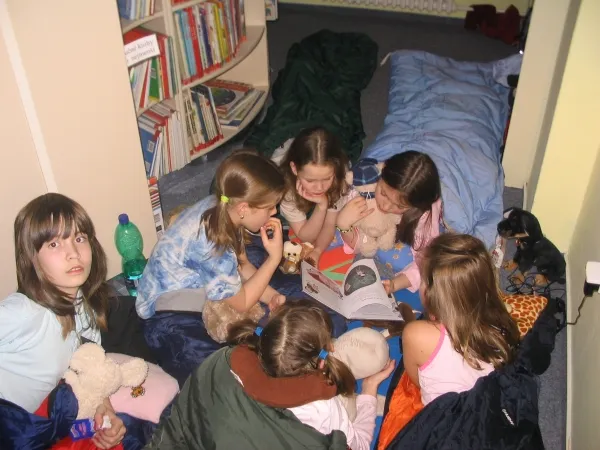
Photo: Webca, Public domain, via Wikimedia Commons
The doorbell went at 4:47pm. Two children stood on the step with overnight bags, a pillow each and the particular excitement of kids who know they are about to stay up later than usual. Our own child had been lobbying for this sleepover since half-term. I had said yes in a weak moment, the way you do when the alternative is another round of “but everyone else is allowed”.
By 5:15pm, the living room looked like a small branch of Go Outdoors. By 7pm, I was cutting pizza into smaller pieces to make it look like more. By 11:40pm, I could hear somebody explaining the rules of a game nobody else was playing. And by 6:12am, I was awake because one guest wanted to know whether cereal counted as a starter.
I didn’t set out to audit the weekend. But when you find yourself with a supermarket receipt, a note on your phone and a slightly hollow feeling about the return invitation, it’s hard not to add it up.
The invitation economics
Sleepovers are one of those parenting things that look free and are not. There’s the food, obviously, but also the heating, the extra laundry, the hot chocolate that is somehow essential at 9pm and the film that everyone agrees to watch and then abandons after twenty minutes.
In our house, the decision to host usually comes down to space, timing and whether we owe somebody a turn. We are not the family with the enormous spare room. We are the family with a sofa bed, a spare duvet and a dog who thinks any visitor is here specifically to see him. That counts for something.
This time, we were also aware that our child had been to two sleepovers since September and had hosted none. Not because we keep a strict scoreboard — at least not one we admit to — but because the quiet etiquette of return invitations is real. Nobody wants to be the family who always says yes to their child going out and never says yes to having anyone in.
So we hosted. Two guests, one night, one very long Saturday morning.
The actual spend
Here is the visible cost of our Friday night, as honestly as I can tot it up:
- Pizza and garlic bread for three children and two adults who pretended they weren’t hungry: £21.70
- Breakfast round two — cereal, milk, crumpets, butter: £6.50
- Fruit, crisps and the kind of biscuits that disappear before bedtime: £3.10
- Juice, squash and a bottle of something fizzy for the “midnight feast” that happened at 8:35pm: £4.20
- Hot chocolate and marshmallows: £2.40
- Extra heating, extra washing, one pillowcase that may never recover: about £6.20
Total: £44.10.
That’s not a disaster. It’s less than a family cinema trip, and it bought us a quiet-ish evening and a child who fell asleep before eight on Saturday night. But it is not nothing either, especially in November when the boiler is on and the Christmas list is already forming in the back of your mind.
What the total doesn’t show is the stuff we already owned: the air mattress, the spare sleeping bags, the board games with missing pieces, the large saucepan for hot chocolate. If you are hosting for the first time, the start-up costs can be higher. Borrow what you can. Nobody’s child cares whether the spare duvet matches the curtains.
The 2am audit
The financial cost is only half the ledger. The other half is the sleep you don’t get.
At 11:40pm, there was a dispute about whether whispering counted as talking. At 1:15am, someone needed water. At 2am, I heard the unmistakable sound of a child trying to be very quiet while opening a packet of crisps. At 6:12am, the breakfast negotiations began.
By Saturday lunchtime, I was drinking tea like it was a medical intervention. The children, meanwhile, were fizzing with the joy of having been awake in the same house as their friends after dark. That is the bit you can’t put on a receipt. It is also the bit that makes you say yes again, eventually.
But it’s worth being honest about the emotional cost too. Hosting can feel like a test. Are the children warm enough? Is the food right? Did the parents seem happy at drop-off? Will they think we let them stay up too late, or not late enough? The etiquette is mostly unspoken, which means every family is quietly improvising.
Who hosts, who pays, who says no
The truth is that sleepovers work best when nobody is keeping a secret spreadsheet. But they also work better when parents talk about the practical stuff before the bags are packed.
In our circle, the unwritten rule is simple: if your child goes, you offer a return invitation within a reasonable window. It doesn’t have to be a full sleepover. It can be tea, an afternoon, a trip to the park with chips on the way home. The point is reciprocity, not a perfect balance sheet.
If you are the family who always hosts, it is fine to say so. “We’re a bit maxed out this month, but we’d love to have them for tea after half-term” is a perfectly good sentence. If you are the family whose child always goes, offer something back — even if it’s not overnight. Hosting is a favour, not a subscription service.
And if you need to say no? Say no. A sleepover that begins with resentment usually ends with a 6am cereal negotiation and a parent who is quietly furious about the whole arrangement. Better to decline than to host badly.
Keeping it generous without letting it sting
A few things have helped us keep sleepovers in the “worth it” column:
- Set a simple food plan. Pizza, fruit, breakfast stuff. That’s it. You do not need a themed snack table for a Friday night in November.
- Ask about allergies and bedtime routines at drop-off. A quick text beforehand is better than discovering at 10pm that someone can’t have dairy.
- Borrow gear. Air mattresses, sleeping bags and spare pillows are the sleepover equivalent of a village. Ask. Lend. Repeat.
- Agree a pickup time. “Come for breakfast at nine” is clearer than “whenever”. It also gives everyone something to aim for.
- Rotate, don’t score. If one family has more space, they may host more often. That doesn’t mean they should pay for everything. Bring a bottle of squash, offer to do breakfast, or take the kids for an afternoon in return.
- Don’t make it a big production. The children remember the freedom, the whispering and the slightly chaotic breakfast. They do not remember whether the cushions matched.
The receipt we don’t send
We won’t be invoicing anyone for the £44.10. That’s not how this works. But I will remember it, because it helps me say yes with my eyes open next time — and helps me say no when the weekend is already too full.
Sleepovers are a small, messy, expensive kind of community. They ask us to open our homes, stretch the food shop and accept that somebody will be awake at 2am asking for water. They also give our children something lovely: the ordinary magic of being someone’s guest, and then someone’s host.
Next time, I’ll buy fewer crisps and more milk. And I’ll probably still keep the receipt.